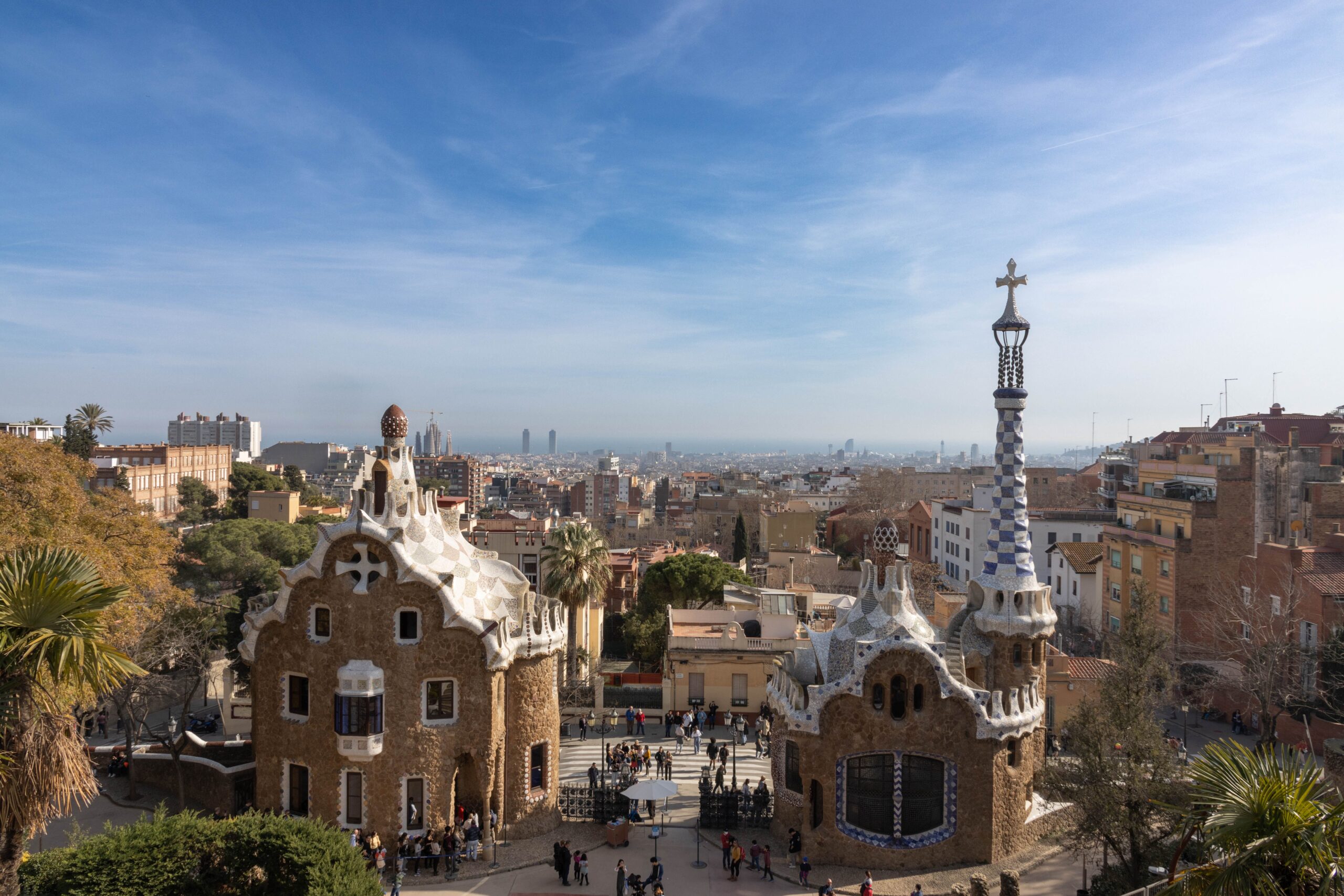
Walking through cities and towns, you might notice how letters and typography shape the environment around you. From shop signs to murals, street art to architectural engravings, fonts and alphabets subtly tell stories and influence our travel experiences.
For travelers interested in design, culture, or even language learning, understanding the concept of a “walking 2d alphabet accurate” approach can be both fascinating and rewarding. This idea involves observing and appreciating letterforms in real-life settings with an eye for precision and detail—almost like walking through a living typography museum.
In this article, we’ll delve into what makes walking 2D alphabet accurate so special, how it can enhance your travel adventures, and tips to hone your skills for a more immersive experience.
What Is Walking 2D Alphabet Accurate?
The phrase “walking 2D alphabet accurate” might sound technical, but it essentially refers to the practice of observing and analyzing two-dimensional letterforms—alphabets, fonts, and typography—on surfaces while you walk through different environments with accuracy and attention to detail.
Unlike digital fonts viewed on screens, these letterforms are grounded in physical spaces like signboards, posters, graffiti, and architectural carvings. Walking 2D alphabet accuracy means recognizing the exact shapes, curves, and proportions that define each letter as artists and designers intended.
The Importance of Precision in Typography
Typography is an art form deeply connected to communication and cultural identity. Each letter matters, and slight differences in its design can change meaning or emotional impact. Paying attention to 2D alphabet accuracy while walking through cities can reveal a lot about a place’s historic eras, artistic trends, or even local dialects reflected in stylized text.
Why Travelers Should Care About Letterform Accuracy
At first glance, typography might seem like a niche interest reserved for graphic designers or linguists. However, walking with a mindset focused on 2D alphabet accuracy can transform your travel experience in surprising ways.
Discover Local Culture Through Letterforms
Letterforms can serve as gateways to understanding local traditions. Historic scripts on old buildings might show the evolution of language. Modern, sleek fonts in urban areas indicate contemporary influences. By observing these subtle details, you gain insights you wouldn’t get just by visiting tourist landmarks.
Enhance Your Visual Memory and Observation Skills
Taking time to notice precise typography trains your eyes to spot subtle variations. This heightened observation skill extends beyond typography to appreciating art, architecture, and design elements all around you, making your travel snapshots and memories richer.
Connect with Designers and Artists Worldwide
walking 2d alphabet accurate is also a way to connect with creative communities globally. Street art or hand-painted signs are expressions of local voices. Understanding the accuracy of letterforms helps you appreciate the craftsmanship behind these works and share meaningful stories on your travel blogs or social media.
How to Practice Walking 2D Alphabet Accuracy on Your Travels
Ready to explore typography around you with more precision? Here are practical tips to develop your walking 2D alphabet accurate eye.
1. Start by Learning Basic Letter Anatomy
Familiarize yourself with typography terminology such as baseline, ascender, descender, serif, and sans-serif. Knowing these terms will help you articulate what you observe and appreciate the nuances of letter shapes better.
2. Observe Letters in Various Contexts
Walk through diverse neighborhoods and look at different types of signage: metal plaques, neon lights, painted walls, or chalkboards. Notice how the same letter can appear in countless styles. Healthy Diet Tips for Busy People: Staying Nourished On the Go
3. Sketch or Photograph Letterforms You Find Interesting
Carrying a small sketchbook or using your phone camera can help document typefaces that catch your eye. Later, you can analyze these sketches or photos to see how accurately the letters render compared to standard alphabet forms.
4. Compare Local Alphabets and Fonts to Digital Versions
If you’re traveling in a country with a non-Latin script, observe how local alphabets are stylized. Trying to match these letterforms to printed or digital fonts will enhance your understanding and appreciation of their design accuracy.
5. Join Typography Walks and Workshops
Many cities offer guided typography tours or workshops where experts help participants spot and analyze fonts and alphabet accuracy in the urban environment. These experiences can deepen your skills and connect you with like-minded travelers.
Examples of Walking 2D Alphabet Accuracy Around the World
Some cities are famous for their distinctive typography and design heritage, perfect for practicing walking 2D alphabet accurate observation.
London: Historic and Modern Letterforms Side by Side
London blends centuries-old serif fonts carved into stone buildings with cutting-edge modern typography on office towers. Walking through neighborhoods like Soho or Shoreditch, you can see everything from Victorian shop signs to bold street art lettering.
Tokyo: Precision in Japanese Scripts
Tokyo offers a unique opportunity to observe kanji characters with precise strokes and stylization. Walk through districts like Shibuya or Ginza to see neon signs and calligraphic alphabets showcasing accuracy and artistry in 2D letterforms.
Paris: Elegance and Classic Typography
Parisian streets invite travelers to notice elegant serif fonts on boulangerie signs or the art nouveau lettering in metro entrances. The city’s emphasis on classical style provides a perfect backdrop to study letter proportions and curves.
Conclusion: Elevate Your Travel Experience with Walking 2D Alphabet Accurate
Walking 2D alphabet accurate isn’t just about spotting letters; it’s about tuning into the visual language of the places you visit. This mindful practice transforms ordinary walks into explorations of culture, history, and design. It enhances your observation skills, deepens your connection to local communities, and enriches your travel storytelling. Wikipedia
Next time you travel, try incorporating this approach—your eyes will open to a world of letters and typography waiting to be discovered with accuracy and appreciation.
FAQ
What does “walking 2D alphabet accurate” mean?
It means observing and analyzing two-dimensional letterforms like fonts and typography in real-life settings with attention to detail and precision during walks or travels.
Why is letterform accuracy important when traveling?
Accurate observation of letterforms helps travelers understand local culture, enhances visual memory, and connects them with local artists and designers worldwide.
How can I improve my 2D alphabet accuracy skills?
Learn basic typography terms, observe letters in various contexts, take photos or sketches, compare with digital fonts, and join typography walks or workshops.
Are there cities best known for their typography?
Yes, cities like London, Tokyo, and Paris have rich histories and diverse styles of typography perfect for studying alphabet accuracy.
Can this practice be applied to non-Latin alphabets?
Absolutely. Observing accurate letterforms in scripts like Japanese kanji, Arabic, or Cyrillic offers deep insights into their culture and design traditions.
Comment here